Read the agreement before the artwork.
Many businesses run vans on contract hire, lease or finance, and most of them want those vans branded. Vinyl graphics are well suited to that, but the van has to go back, or be valued, in an acceptable condition. The first step is not design. It is reading what your agreement says about modifications, signwriting and the condition expected at the end.
Agreements differ. Some say nothing specific about graphics, some ask you to seek permission first, and some describe what must be removed before return. Under some finance agreements you may own the van at the end, while under contract hire it goes back to the provider. If anything is unclear, ask the leasing or finance company in writing and keep the reply. It is far easier to settle this before the van is branded than at hand-back.
Why vinyl suits a vehicle you will hand back.
Vinyl graphics are semi-permanent. Unlike painted signwriting, they sit on top of the paint and can be replaced or removed when the van changes hands. That makes them a practical way to brand a vehicle you do not own outright, provided the graphics, the paint and the removal are planned sensibly.
Removable does not mean effortless. How easily graphics come off depends on the film and its adhesive, how long the graphics have been on the van, how much sun the van has seen and the condition of the paint underneath. Tell us at the quoting stage that the van is leased and roughly how long the agreement runs. That helps us suggest a film and layout that suit the period you will keep it.
Design with the hand-back in mind.
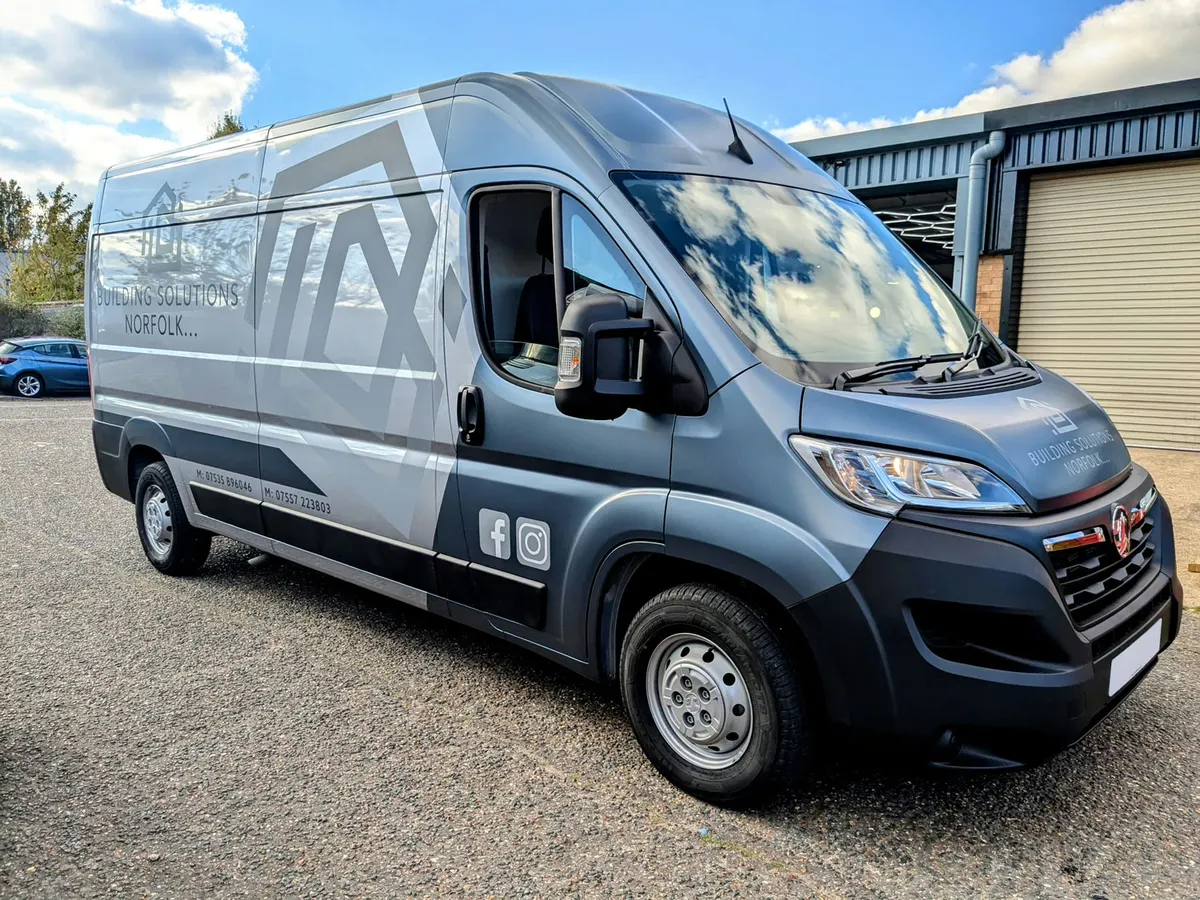
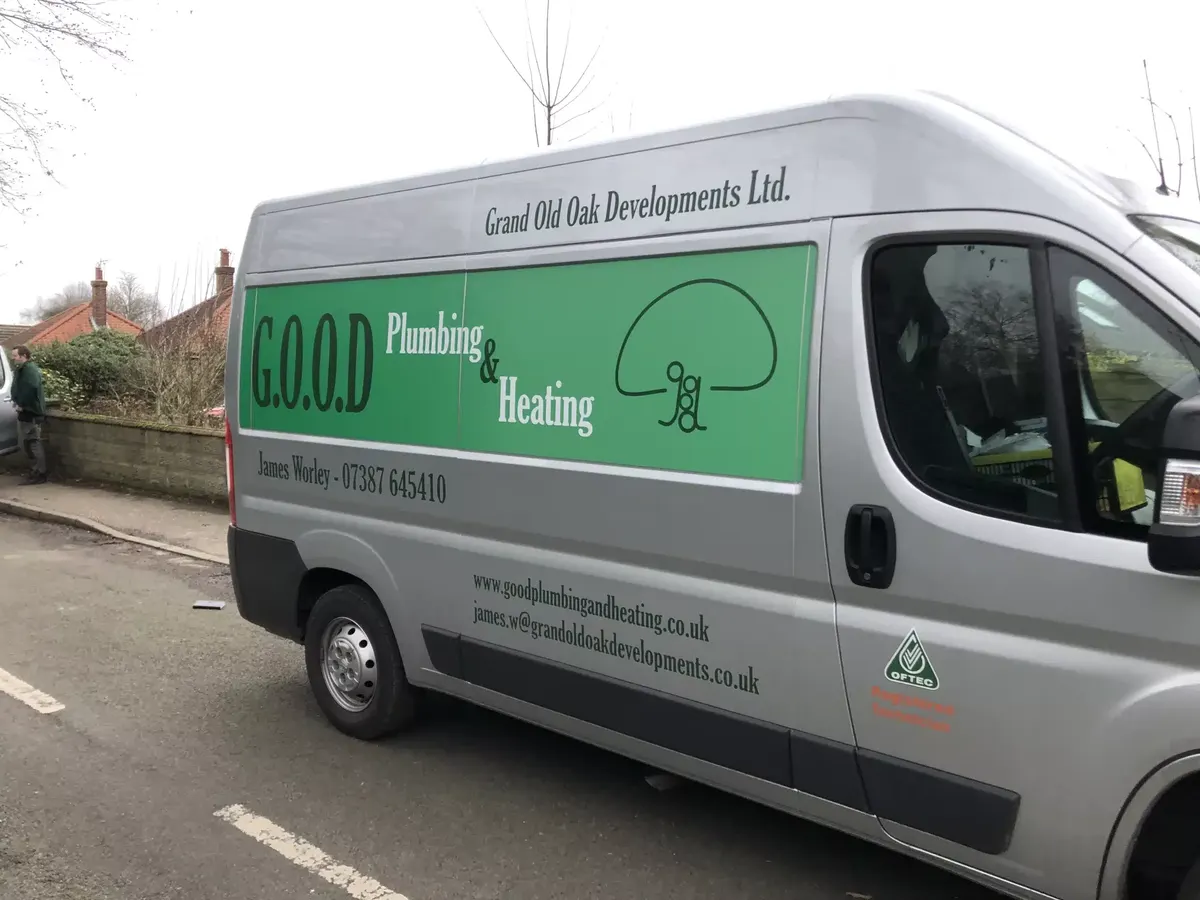
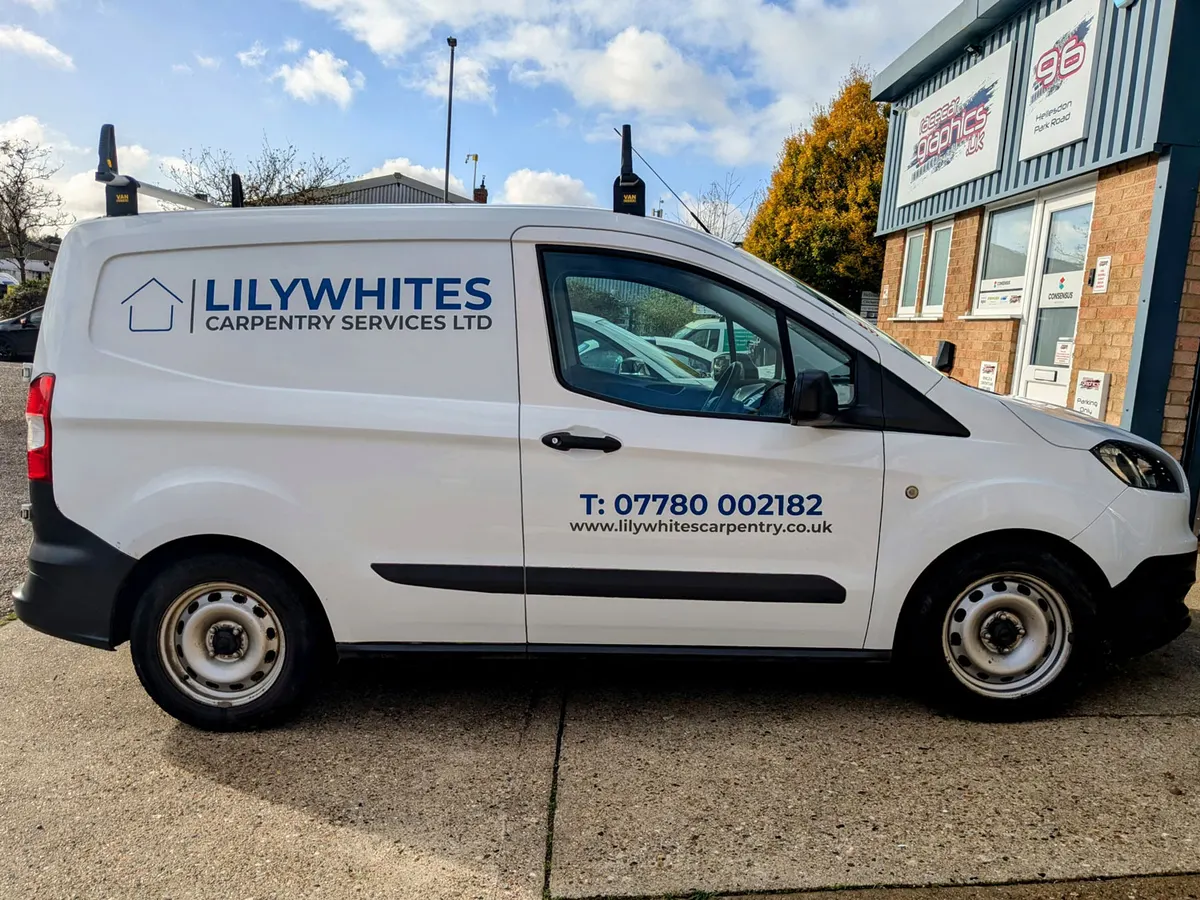
Coverage is the biggest factor in how long removal takes. Cut lettering and a logo on the side and rear panels are quicker to remove than a full wrap. If a lease runs for a few years, a design built around the van’s own paint colour may be the better investment than covering every panel. Our van wrap vs part graphics comparison sets out the trade-offs.
Keep graphics on the van’s original, manufacturer-applied paint where possible. Aftermarket repairs and resprayed panels are more likely to have a weaker bond between paint and primer, which raises the risk of paint lifting when vinyl is removed later. Photograph every panel before fitting and keep the images with your lease paperwork. That record shows the condition of the van when it was branded.
What happens to the paint underneath.
While vinyl is on the van, the paint beneath it is shaded from the sun. The surrounding paint is exposed and can weather slightly over the years. On some vehicles, especially older ones or those in strong colours, that difference can leave a faint outline of the graphics after removal, sometimes called ghosting. It often reduces with cleaning and polishing, but it is not always fully avoidable.
Adhesive residue is the other common issue. Some adhesive can stay behind when old vinyl is peeled, particularly where the film has aged. It needs to be removed with a product suitable for automotive paint, followed by a wash. Scraping with a blade or using harsh solvents risks damaging the paint and creating the kind of mark a return inspection will notice.
How removal is done.
Removal usually involves gently warming the vinyl to soften the adhesive, then peeling it back at a low angle so it comes away slowly. Newer graphics often come off in large pieces. Older, sun-baked film tends to break into small fragments and takes much longer. After the vinyl is off, any adhesive residue is cleaned away and the panels are washed and inspected.
A pressure washer is not a removal tool. Aiming a jet at the edge of the vinyl can lift paint as well as film, and leaves the job half done. If you plan to remove the graphics yourself, use plastic tools, take your time and stop if paint starts to come away with the vinyl. If you would rather we did it, tell us the vehicle, the age of the graphics and when the van is due back, and we can discuss it.
Plan the timing around the return date.
Do not leave removal to the last day. Book it well before the van is due back so there is time to deal with residue, wash the van and look at it in daylight. If the removal reveals a mark or outline, you then have time to decide how to handle it before the inspection, rather than finding out on the day.
Check what the leasing company expects at return. Many refer to fair wear and tear guidance, and some will accept a van with graphics still applied while others will not. Ask in advance and plan accordingly. Your agreement and your provider’s guidance are the authority here, not general advice.
Moving the branding to the next van.
A lease ending usually means a new van arriving. Keep the approved artwork, the colours and the vinyl specification from the first van so the replacement can be branded consistently. The layout may need adjusting if the new van is a different model, because door positions, pressings and windows vary, but the design itself carries over.
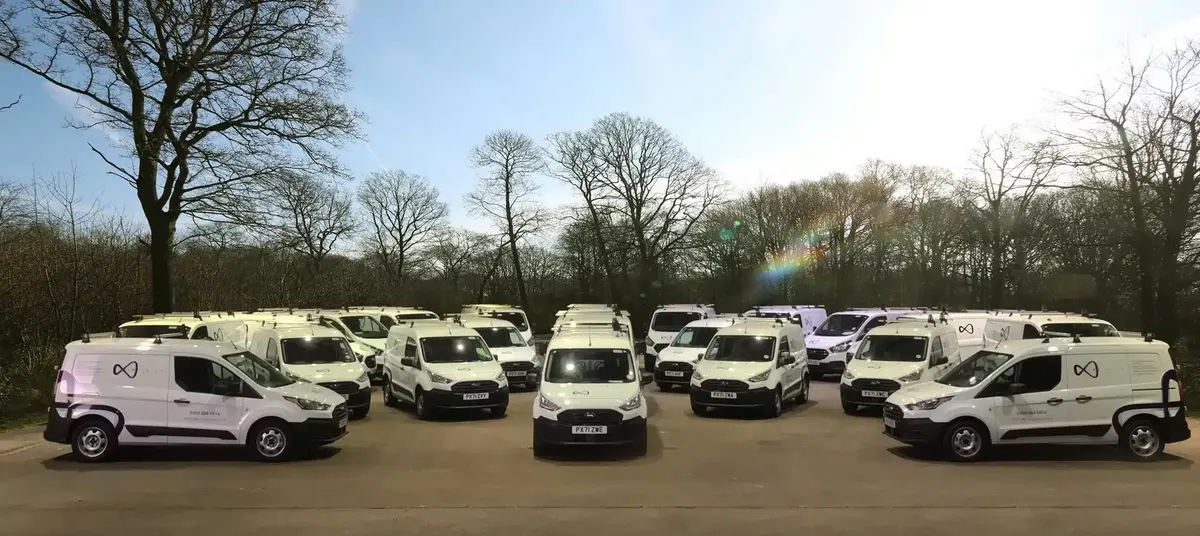
We have courtesy vehicles available while a van is off the road, which can help if removal from the old van and fitting on the new one need to happen close together. If you run several vehicles, our page on fleet graphics covers rollouts and replacements across a fleet.
Include removal in the cost of branding.
When you budget for graphics on a leased van, think about the whole period: design, supply and fitting at the start, any updates along the way, and removal at the end. Our published supply-and-fit packages for van graphics start from £149 + VAT and are confirmed by quote. The effort involved in removal depends on the coverage and condition of the graphics, so raise it when you ask for your quote.
Illustrative example: a building firm leases three vans for a fixed term. It chooses cut vinyl lettering with a printed logo on manufacturer paint, photographs every van before fitting and books removal a few weeks before the return date. The work at the end is predictable, and the artwork moves straight on to the replacement vans.
Your project checklist.
- The relevant section of your lease or finance agreement, or the provider’s reply.
- Make, model, year and paint colour of the van, and the lease end date.
- Photographs of every panel before the graphics are fitted.
- Details of any bodywork repairs or resprayed panels.
- For removal: the age of the graphics and recent photographs.
- Your artwork files, if the branding is moving to a replacement van.
Your questions. Answered.
Can I put graphics on a leased van?
Often, yes, but check your agreement first. Some providers ask you to seek permission or set out what must be removed before return. Ask in writing if it is unclear.
Will removing vinyl damage the paint?
On sound manufacturer paint, careful removal usually leaves the paint intact. Resprayed panels, old brittle film and poor paint condition increase the risk. Photograph the van before fitting so you have a record.
What is ghosting?
A faint outline where graphics have been. The paint under the vinyl is shaded from sunlight while the rest of the van is not. It often reduces with cleaning and polishing but cannot always be removed completely.
How far ahead should I book removal?
Allow time before the return date to remove the vinyl, clean off residue and check the van in daylight. Leaving it to the final day leaves no time to deal with anything unexpected.
Can you put the same graphics on my next van?
Yes. Keep the approved artwork and the vinyl specification. The layout may need adjusting for a different model, and the new van is quoted on its own details.
Sources & further reading.
General guidance based on Broadland Digital’s published van graphics information, reviewed 3 November 2026. This is not legal or contractual advice; your lease or finance agreement and your provider’s return-condition guidance take priority.
Put the advice into practice.
Tell us the van, the agreement period and what you want it to say. Our Norwich team can suggest graphics that suit the time you will keep it.
Visit our Norwich workshop ↗ · Find vehicle graphics for your trade ↗