The short answer, and why it comes with conditions.
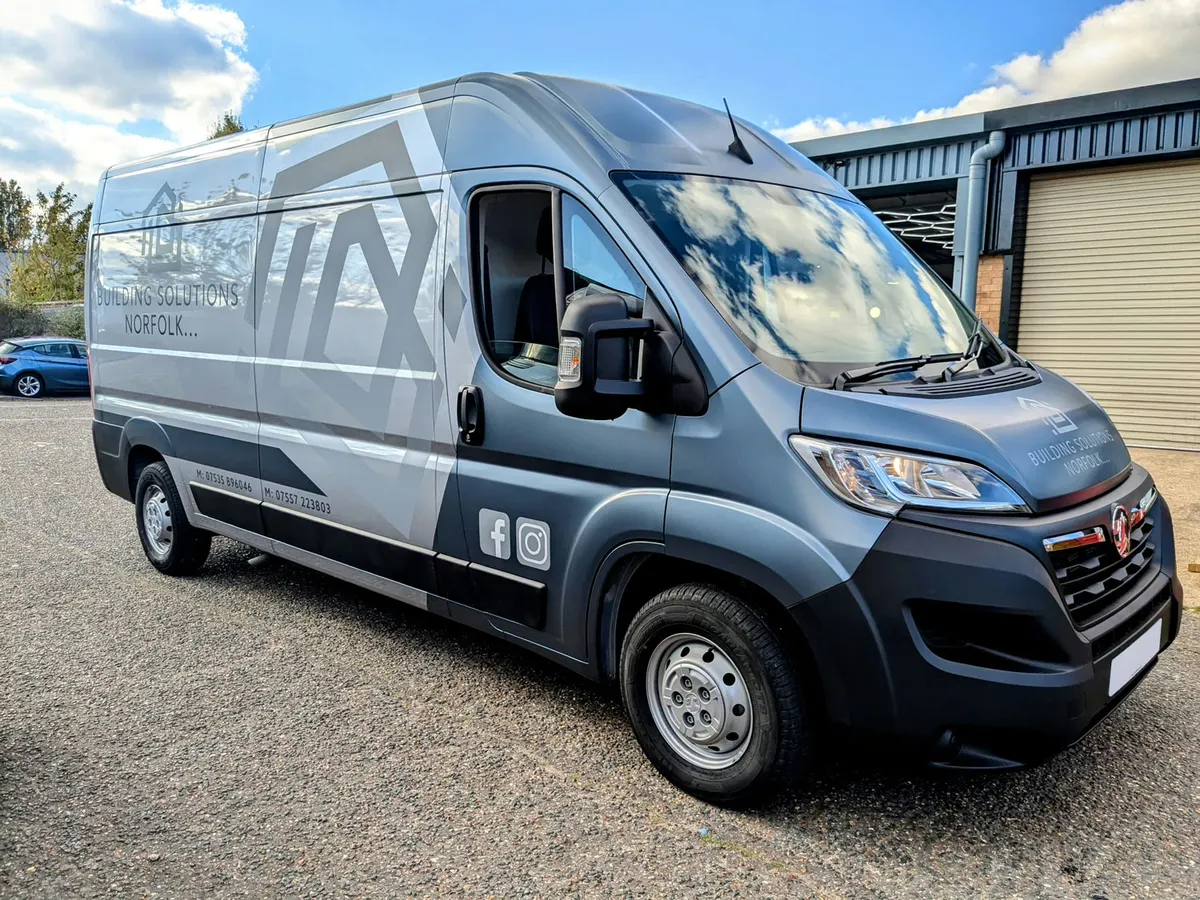
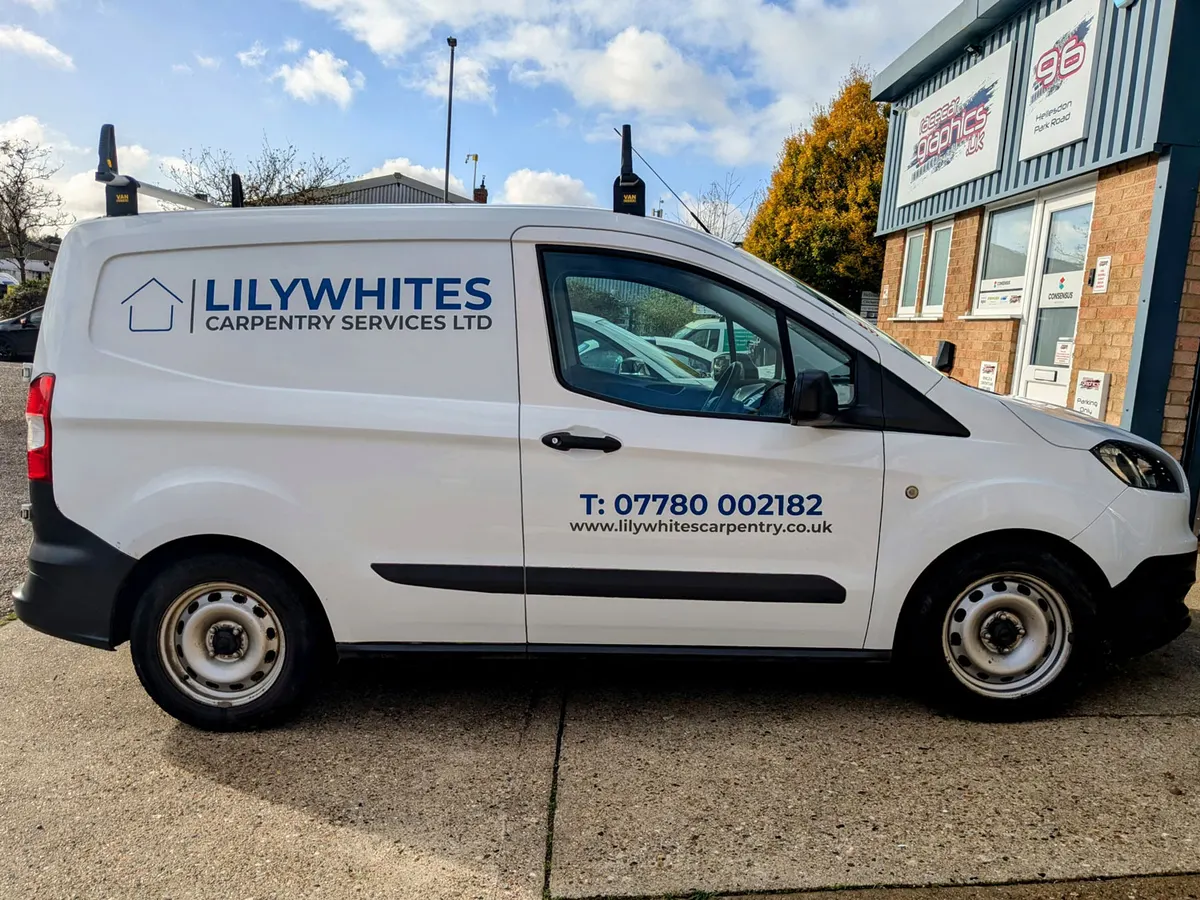
Our van graphics, made with 3M and Metamark films, will last up to 7 years if looked after correctly. That is a sensible planning figure, but it is not a promise that every panel on every van will look identical for seven years. The film, the way it was fitted, the shape of the panel it sits on and the life the van leads all have a say.
Manufacturers publish durability figures for their films, and those figures are tied to specific products and test conditions. A durability rating for a film is not the same as a warranty on your finished vehicle graphics. When you compare quotes, ask which product is specified and what applies to the completed job. That conversation is more useful than comparing headline numbers of years.
The film and laminate set the ceiling.
Vinyl films are made in different ways for different jobs. Cast films are generally thinner and more stable, and they cope better with curves, recesses and rivets. Calendered films are typically thicker and better suited to flatter surfaces and shorter-term work. Our cast vs calendered vinyl comparison explains the difference in more detail.
Printed graphics usually have a clear laminate over the print. The laminate protects the ink from abrasion and weathering, and it needs to be compatible with the base film. A good print film with a poorly matched laminate, or no laminate at all, will not reach the life of a properly specified system. Cut vinyl in a solid colour does not need a laminate because the colour runs through the film.
Where on the van the vinyl sits.
Not every part of a van wears at the same rate. Horizontal surfaces such as the bonnet and roof face the sun more directly than the vertical sides, so they tend to show fading and weathering first. If you are planning a long-life design, keep in mind that the bonnet may need attention before the side panels.
Vinyl is also under more stress where it has been stretched into a recess, wrapped around a sharp edge or pushed over a rivet. Those are the places where lifting tends to start. A good design and fitting plan reduces stretch where possible, trims at door shuts rather than forcing film around them and avoids placing fine details across awkward pressings.
How the van is used and parked.
A van kept in a yard under cover leads a different life from one parked outside a house facing south. Strong sun is a major factor in how quickly colours fade and how quickly film becomes brittle. Coastal air, regular motorway miles, road salt, site mud and tree sap all add to the wear.
Working habits matter too. Ladders slid across a roof, tools leaned against side panels and loading at the rear doors all scuff vinyl. Roof bars and racks can trap grit against the film. You cannot change how your business uses the van, but you can tell us about it so the layout keeps important graphics away from the areas that take the most punishment.
Preparation and fitting matter as much as the film.
Vinyl only performs as well as its bond to the paint. Panels need to be clean and free of wax, polish and silicone before application. Paint condition matters: chips, corrosion and flaking lacquer will not improve under vinyl, and fresh or aftermarket paint can need time to cure. Tell us about any recent bodywork repairs before the fitting day.
Temperature and conditions affect how film behaves during application. Fitting in a workshop gives control over cleanliness, light and temperature, so ask where your graphics will be fitted when you book. If you fit a posted kit yourself, follow the instructions supplied and choose a dry, sheltered day.
Aftercare that helps vinyl last.
Wash the van regularly, ideally by hand, with a mild vehicle shampoo and plenty of clean water. Dirt left on the surface holds moisture and pollutants against the film. Rinse thoroughly and dry with a clean, soft cloth. Ask us how long to leave new graphics before the first wash, as the adhesive needs time to settle.
If you use a pressure washer, keep the nozzle well back from the surface and do not aim it directly at the edges of the vinyl, where a strong jet can lift the film. Avoid harsh solvents, abrasive pads and cutting compounds. Wipe off fuel spills, bird droppings and tree sap promptly. Matt, satin and textured films need products suited to their finish, so check before using any wax or polish.
Signs that graphics are near the end of their life.
Ageing vinyl tends to show itself gradually. Look for colours that have faded noticeably compared with the original, a chalky surface, fine cracking, edges that have started to lift, or a thin line of adhesive showing where the film has shrunk back. On printed graphics, wear often starts on the bonnet and roof.
Once the film becomes brittle, removal usually takes longer because it breaks into small pieces rather than peeling away. If you plan to replace the graphics anyway, doing it before they deteriorate badly can make removal more straightforward. Take photographs of any problem areas and send them to us with the vehicle details.
Refresh, repair or replace?
Vehicle graphics are semi-permanent, so you have options. A damaged section of a wrap can often be reprinted and replaced if the artwork and film details are on file. Lettering on a single panel can be renewed without touching the rest of the van. When a business changes its phone number or adds a service, an update can be quicker than a full redesign.
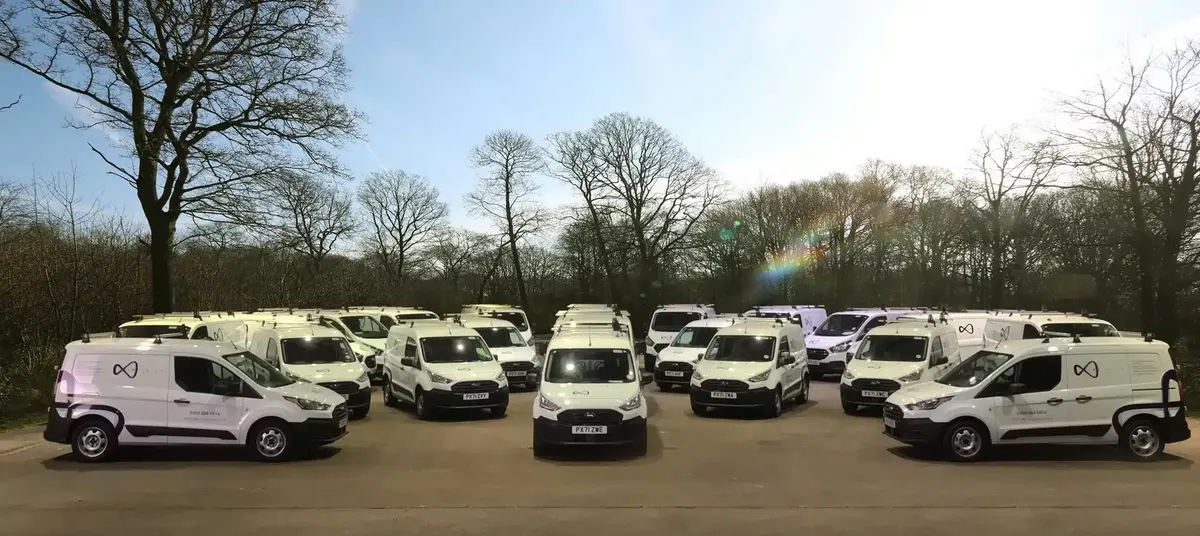
Keep a record of the approved artwork, the film and laminate used and the date the graphics were fitted. That makes repairs and repeat orders straightforward, and it helps if you add vans to a fleet later. If you are not sure whether to repair or replace, our team can look at photographs and talk through the options.
Your project checklist.
- Make, model and year of the van, and when the current graphics were fitted.
- Photographs of the whole van and close-ups of any wear or damage.
- Whether the graphics are printed, cut vinyl or a colour-change wrap.
- How the van is used and parked, including racks, ladders or coastal use.
- How long you plan to keep the van.
- Your artwork files, if you want sections reprinted or replaced.
Your questions. Answered.
How long will my van graphics last?
Our van graphics will last up to 7 years if looked after correctly. Sun exposure, the panel shape, the film, the fitting and how the van is washed all affect the result.
Can I use a pressure washer on a wrapped van?
Yes, with care. Keep the nozzle well back and do not aim the jet at the edges of the vinyl. Hand washing with a mild shampoo is gentler.
Why does the bonnet fade first?
Horizontal surfaces face the sun more directly than the sides of the van, so they usually weather more quickly. This is normal, and a bonnet can be renewed on its own.
Does a manufacturer’s durability figure mean my wrap is guaranteed for that long?
No. A film’s rating applies to that product under stated conditions. Ask what applies to your finished graphics when you receive the quote.
Can one damaged panel be replaced?
Usually, yes. Keep the approved artwork and film details, and send photographs of the damage so we can advise on reprinting or replacing that section.
Sources & further reading.
Based on Broadland Digital’s published vehicle graphics information, reviewed 3 November 2026. Film durability figures apply to specific products and conditions; confirm the specification for your job.
Put the advice into practice.
Tell us about your van, how it is used and how long you plan to keep it. Our Norwich team can recommend a suitable film and layout.
Visit our Norwich workshop ↗ · Find vehicle graphics for your trade ↗